Physical Address
304 North Cardinal St.
Dorchester Center, MA 02124
Physical Address
304 North Cardinal St.
Dorchester Center, MA 02124


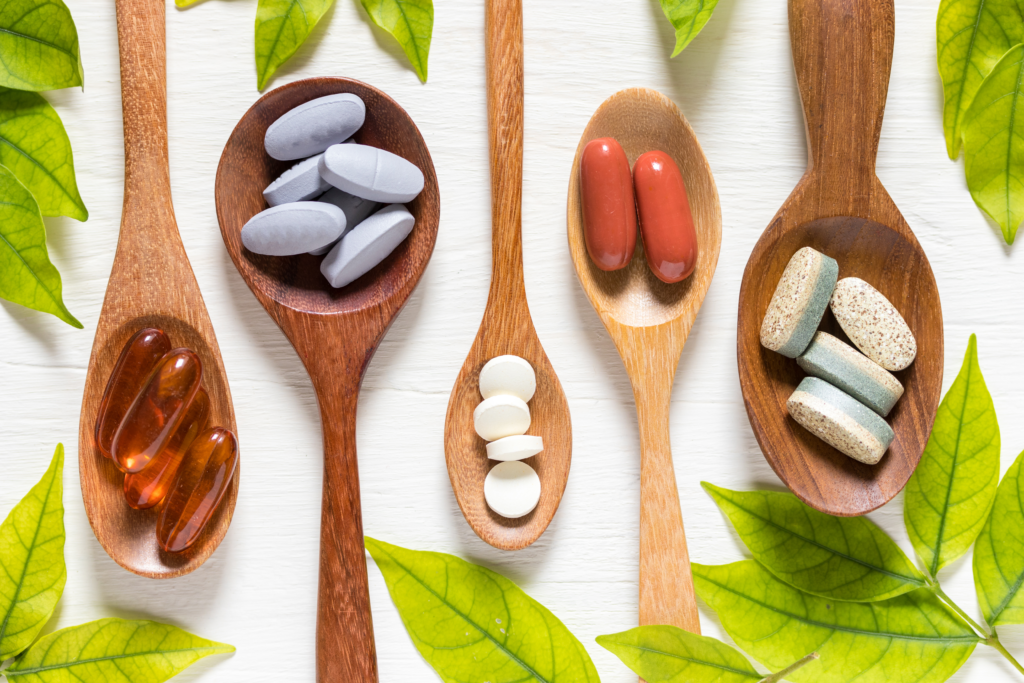
Weight loss can be a unique challenge for women, shaped by hormonal changes, stress, and metabolism. Science-backed supplements can address these factors by improving fat metabolism, reducing cravings, and enhancing overall well-being.
This guide highlights five supplements designed to help women achieve sustainable weight loss while supporting their health and vitality.
Mechanism of Action: Whey protein aids in fat loss by enhancing satiety, preserving lean muscle mass, and boosting thermogenesis. Its rapid absorption and rich amino acid profile help regulate appetite hormones like ghrelin and leptin, encouraging reduced calorie intake and sustainable results.
Clinical Evidence: A systematic review in Nutrients analyzed 14 studies involving women and whey protein supplementation. Women who consumed 20–40 g/day of whey protein for 8–12 weeks with exercise lost 3.5–5 kg (7.7–11 lbs), approximately 5–7% of body weight. They retained 90–95% of lean mass, significantly more than controls (80–85%) who followed calorie restriction and exercise without whey protein.
Additionally, a trial in Appetite investigating post-meal satiety in overweight women found whey protein supplementation reduced hunger scores by 30%, supporting better adherence to calorie-controlled diets.
Safety Considerations: Whey protein is generally safe when consumed in recommended doses (20–40 g/day). Mild side effects, including bloating, nausea, or digestive discomfort, are reported in 10–15% of women and typically subside within a week. Drinking plenty of water while consuming whey protein helps reduce gastrointestinal issues.
Summary: Whey protein supports women’s health by preserving lean muscle during calorie restriction or exercise. While not effective for standalone weight loss, it enhances satiety, aids fat-free mass retention, and helps maintain adherence to calorie-controlled diets, making it a valuable addition to a balanced lifestyle.
Mechanism of Action: Conjugated Linoleic Acid CLA is a naturally occurring fatty acid in meat and dairy that supports women’s health and weight loss by reducing fat storage and enhancing fat oxidation in muscle cells. By regulating enzymes involved in fat metabolism and boosting energy expenditure, it helps lower body fat while preserving lean mass.
Clinical Evidence: A double-blind, placebo-controlled study published in Nutrition evaluated 54 women aged 18–60 with BMIs between 24–35 kg/m². Participants consumed 3.4 grams of CLA daily as capsules taken with meals for 12 weeks while following a balanced diet without calorie restrictions. Results showed an average 2.5 kg (5.5 lbs) weight loss and a 6–8% reduction in body fat, with notable reductions in abdominal fat. Additionally, CLA supplementation combined with aerobic exercise significantly reduces body fat and improves lipid profiles in women with obesity.
Safety Considerations: CLA is generally safe for women when taken at 3–6 grams per day, though 10–20% may experience mild nausea or diarrhea during the first few days. Taking CLA with meals helps minimize digestive discomfort.
Summary: CLA is a natural fatty acid that supports women’s health by reducing fat storage and promoting fat oxidation. Clinical evidence highlights its ability to lower body fat and abdominal fat while preserving lean mass, especially when combined with aerobic exercise.
Mechanism of Action: Green Tea Extract (GTE) supports women’s health and weight loss by increasing thermogenesis, enhancing fat oxidation, and boosting metabolism. It helps the body burn more calories at rest and promotes fat reduction by regulating hunger and satiety hormones, encouraging sustainable weight loss.
Clinical Evidence: A meta-analysis in the International Journal of Obesity reviewed 11 studies on GTE (3–5 cups daily), showing an average weight reduction of approximately 1.5– 2% of body weight in women. Another trial in Clinical Nutrition found obese women aged 30–50 consuming 5–6 cups daily for 12 weeks lost 2.5 kg (5.5 lbs) and reduced body fat by 5.3%, even without exercise. While men in similar studies lose ~2–3 kg faster initially, women achieve more consistent, long-term fat loss due to hormonal differences.
Safety Considerations: GTE is generally safe at doses of 400–500 mg/day (5-6 cups) but may cause mild side effects like nausea or bloating in 5–10% of women during the first week. Taking it with meals minimizes discomfort.
Summary: GTE has been shown to boost metabolism, increase fat oxidation, and regulate appetite. Clinical studies show it promotes sustainable fat loss, especially in abdominal areas, with doses of 400–500 mg/day when paired with a healthy lifestyle.
Mechanism of Action: ACV supports women’s health and weight loss by enhancing fat metabolism, promoting satiety, and stabilizing blood sugar levels. Its acetic acid slows gastric emptying, reducing hunger and calorie intake, while improving insulin sensitivity for better energy regulation and fat utilization.
Clinical Evidence: A randomized trial conducted in Lebanon studied 74 women aged 18– 45 years. Participants consumed 15–30 mL of ACV daily (approximately 3–6 teaspoons) for 12 weeks. Without calorie restriction, participants reduced their average weight from 85 kg (187 lbs) to 77 kg (170 lbs). Improvements in satiety and reductions in visceral fat were observed, supporting ACV’s role in weight management. Additionally, ACV has been shown to regulate blood sugar levels and suppress appetite, contributing to gradual fat loss when combined with healthy eating.
Safety Considerations: ACV is safe at doses of 15–30 mL daily. Mild side effects like throat irritation or nausea affect 5–10% of women and usually subside within a week. ACV should be diluted with water and taken with meals to minimize discomfort.
Summary: ACV supports women’s health and weight loss by promoting satiety, reducing visceral fat, and stabilizing blood sugar. Studies show significant fat loss with 3–6 teaspoons. Diluted ACV is safe when taken with meals to minimize side effects.
Mechanism of Action: Fenugreek, a natural herb rich in soluble fiber, supports women’s health and weight loss by promoting satiety and stabilizing blood sugar levels. Its active compounds, such as galactomannan, slow carbohydrate absorption and reduce post-meal blood sugar spikes, aiding appetite control and fat metabolism.
Clinical Evidence: A systematic review in the Journal of Functional Foods found that Fenugreek’s soluble fiber improves satiety, reduces calorie intake by 200–300 calories daily, and regulates insulin levels, promoting appetite control and fat loss. Building on these findings, a randomized trial involving 50 women aged 30–50 who consumed 500 mg daily (about 1/8 teaspoon of ground fenugreek or a standard capsule) for 12 weeks demonstrated an average weight loss of 2–3 kg (4.4–6.6 lbs), approximately 3–4% of body weight, alongside reduced cravings for high-fat, sugary foods.
Safety Considerations: Fenugreek is generally safe when consumed at recommended doses of 500–1000 mg daily. Mild side effects, such as bloating, nausea, or diarrhea, occur in 5–10% of women and typically subside within the first week. It should be avoided during pregnancy due to potential uterine contractions.
Summary: Fenugreek supports women’s health and weight loss by promoting satiety, improving appetite control, and enhancing metabolic health. Clinical research highlights its effectiveness in aiding fat loss, with minimal side effects that are generally mild and short-lived.
Achieving sustainable weight loss involves dedication, balanced nutrition, and informed choices. Supplements like conjugated linoleic acid, green tea extract, apple cider vinegar, fenugreek, and whey protein offer targeted benefits, including fat loss, improved satiety, and lean muscle retention. Combined with regular exercise and healthy eating, these supplements enhance weight management strategies and help promote overall well-being.